Gasoline and diesel used by Americans cars and light trucks cause more than one billion metric tons of CO2 pollution every year, or about 17% of all U.S carbon pollution.
It’s March, 2020, in the first weeks of the COVID-19 global pandemic, and the world has gone quiet. Savannah, an 11-year-old girl living in the Pacific Northwest, sees an opportunity to heal our planet, if we can resist the urge to get back to our gasoline-guzzling normal.
This report resulted from a convening with regulators, advocates, experts, and other stakeholders in California’s zero emission vehicle industry, organized by UC Berkeley School of Law’s Center for Law, Energy and the Environment (CLEE) and sponsored by Coltura.
The study from the Massachusetts Institute of Technology (MIT) quantified the impact of air pollution and premature death in the United States, and concluded that nearly 58,000 deaths a year were attributable to road transportation alone (52,800 from particulate matter, and 5,000 from ozone).
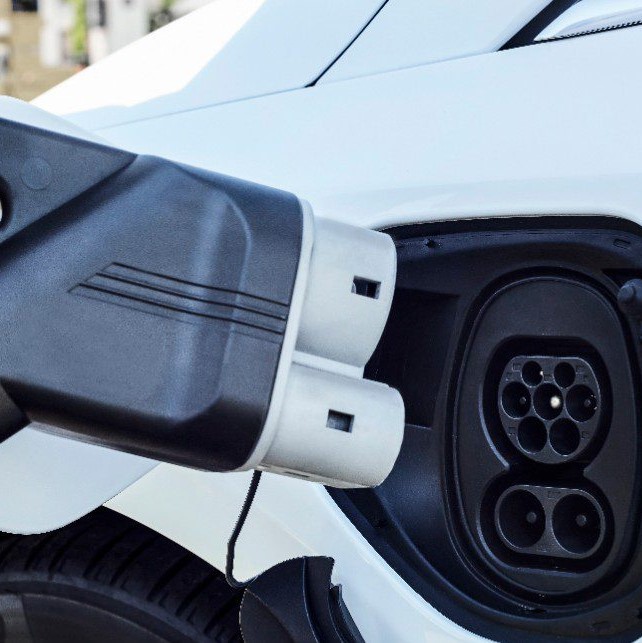
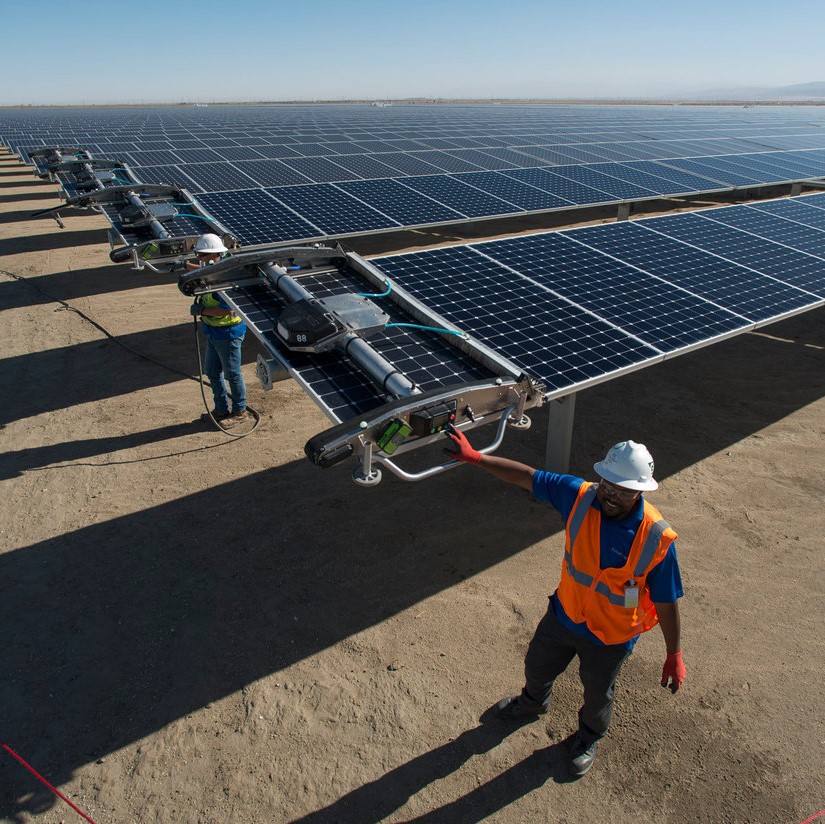
THERE’S ONLY ONE WAY TO FUEL GAS CARS: BY PUMPING GASOLINE AT A GAS STATION. ELECTRIC VEHICLES, IN CONTRAST, CAN FUEL WHEREVER THERE’S EITHER 1) ELECTRICITY; OR 2) SUNSHINE AND SOLAR PANELS TO CAPTURE IT, LIKE A SOLAR CANOPY.
California has imposed standards for Zero Emissions Vehicles, or ZEVs. Its ZEV mandate sets up a credit system relating to a requirement that a certain percent of passenger vehicle sales by each automaker be ZEVs.