


 The Benefits of Electric Cars In 2026

Wondering if an electric car is worth it? Here are the biggest benefits of electric cars.
Last updated: May, 2026

In 2026, more drivers than ever are asking the same question: Are electric cars really worth it?
With fluctuating gas prices, growing concerns about air pollution, and rapid improvements in EV technology, electric vehicles are no longer a niche option — they’re quickly becoming a mainstream choice for everyday drivers.
The reality is simple: electric cars offer a powerful combination of cost savings, cleaner air, and a better driving experience. From spending less on fuel and maintenance to eliminating tailpipe emissions, the benefits of electric cars in 2026 are both practical and long-term.
Many EVs already cost less than equivalent gas cars over their lifetimes due to cheaper fuel and less maintenance (check out the least expensive EVs here). You can even find free EV charging stations near you. If you're tired of paying a fortune at the gas pump, use our nonprofit's free EV Savings Calculator tool to estimate how much switching could save you in fuel and maintenance.
In this guide, we break down the biggest benefits of electric vehicles, including how much you can save, how they compare to gas cars, and what to expect as EV adoption continues to grow. Whether you’re actively shopping or just exploring your options, this article will help you understand why so many drivers are making the switch.
Quick Answer (2026): The biggest benefits of electric cars are lower fueling and maintenance costs, zero tailpipe emissions (cleaner local air), lower lifetime climate pollution than gas cars, a smoother drive, and the convenience of charging where you park (especially at home). Learn more about the many benefits of EVs below!
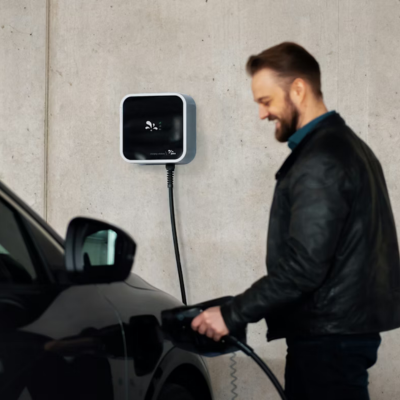
The 6 Biggest Benefits Of Electric Cars
For many households, EV benefits show up in practical places — monthly savings, less maintenance, and a better day-to-day driving experience.
1) Save Money On Fuel
In every U.S. state, electricity costs less per mile than gasoline — and that gap can add up quickly. Coltura’s analysis finds the average U.S. EV driver saves over $1,800 annually when fuel and maintenance are combined.
To see your savings and compare states, explore the EV Cost Savings Index (per-mile, monthly, and annual savings by location).
2) Less Maintenance
EVs have fewer moving parts than internal combustion engines and skip many routine services. No oil changes. No spark plugs. No exhaust system issues.
3) Cleaner Air
Electric cars have zero tailpipe emissions. That means no tailpipe NOx, no combustion soot, and no curbside idling exhaust in places like school pickup lines, sidewalks near traffic, or driveways.
Vehicles are a major source of harmful air pollution in many communities, and cleaner transportation can reduce exposure to pollutants linked with respiratory and cardiovascular harm.
4) Lower Climate Pollution Over A Vehicle's Lifetime
EVs produce fewer climate emissions over their lifetime than comparable gas cars, even when you account for electricity generation and manufacturing. Results depend on where you charge and how you drive — and as the grid gets cleaner, EVs get cleaner without you changing vehicles.
5) Quiet, Smooth, Responsive Driving
EVs deliver instant torque and smooth acceleration — no gear hunting, no engine lag. EVs are also quieter, particularly on city streets and in parking lots (at highway speeds, most noise is tires and wind for all vehicles).
6) Convenience: Charging Can Fit Your Routine
Gas cars can only refuel at gas stations. EVs can charge wherever there’s electricity — and for drivers with home charging, that often means skipping most “fuel stops” entirely. For many people, it becomes a simple habit: plug in at night and wake up with a “full tank”.

Looking to Save Money on an EV?
Our nonprofit has collected some of the best resources on purchasing or leasing an EV and put them into an easy-to-use cheat sheet.
It's a must-read for people considering an EV.
Simply enter your email to access the free cheat sheet and receive monthly news and inspiration from our nonprofit.

6 Less Obvious Benefits Of Electric Cars (That Owners Notice Fast)
Beyond the headline benefits, EVs come with practical wins you tend to appreciate more once you live with one.
- Preconditioning: warm or cool the cabin before you leave — without idling exhaust.
- “Idle” without idling: run heat/AC while waiting without tailpipe fumes.
- Time savings: you’re usually charging while doing something else (sleeping, working, shopping).
- Regenerative braking: can reduce brake wear in stop-and-go driving.
- Roomier interior: many EV designs improve cabin space because there’s no engine bay layout to work around.
- Providing battery power for other purposes: some EVs are already capable of providing electricity in addition to taking it. This can enable powering of devices or your home, such as in power outages, or giving power back to the grid when demand is high – and possibly getting paid to do it.
Benefits of EVs To Communities (Even If You Don’t Drive An EV)
EVs don’t just change a household budget — they can also improve local air quality and reduce exposure to oil price shocks.
Cleaner Air Near Schools, Sidewalks, And Busy Roads
Tailpipe pollution is intensely local: it’s released at street level, right where people walk, bike, and wait in traffic. Cutting tailpipe emissions reduces exposure in high-traffic corridors.
Less Exposure To Oil Price Shocks
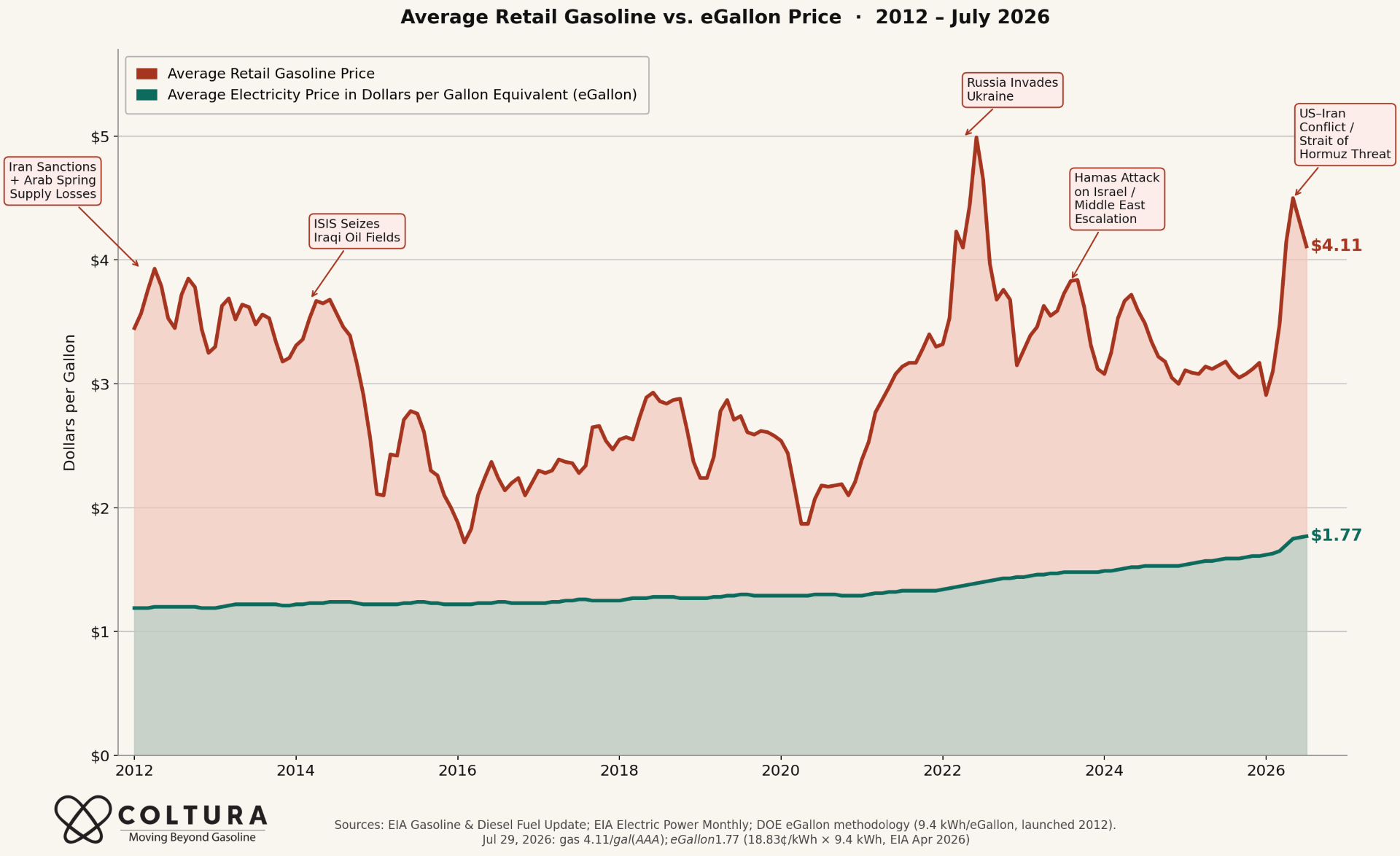
Gas prices spike during oil wars and other global events because oil is a global commodity. Electricity is generated from a mix of sources, its price is regulated by utility commissions, and it can be produced locally. While gas prices have experienced extreme volatility, electricity prices have been on a slow, steady path, and electricity price increases have been much less than gas price increases.
Haven't switched to an EV yet?
Imagine never having to visit a gas station again, or needing an oil change again or worrying about unpredictable gas prices. With an electric vehicle, this could be your reality—while potentially saving thousands of dollars a year.
Curious how much you could save switching to an EV? Get a quick estimate of your savings below!
*Disclaimer: This tool is only intended to provide an estimate of potential savings. Actual results will vary. Learn more about the calculation and the Electric vs Gas Calculator here.
Downsides Of Owning An Electric Car (And How To Reduce Them)
- Charging access can be the biggest hurdle: if you can’t charge at home or at work, you’ll rely more on public charging. Fix: prioritize workplace/nearby Level 2 options when possible.
- Public charging prices vary: fast charging can cost more than home charging, and pricing isn’t always transparent. Fix: compare networks and prioritize home/off-peak charging when you can.
- Upfront cost and insurance can be higher: This could be true for newer models. Fix: The offset is fuel + maintenance savings. Note that used EVs can offer strong value: buying after early depreciation is often a sweet spot. If you’re shopping: check out the EV Deal Explorer.
- Cold weather range and charging speed can drop: cold weather can reduce range and slow charging. Preconditioning and trip planning help, but winter performance varies by model. Cold weather also affects the efficiency of gasoline-powered vehicles. Fix: precondition, plan stops, and keep tires properly inflated.
- Maintenance isn’t zero: EVs reduce drivetrain service, but tires, alignments, suspension, and 12V batteries still exist. Fix: budget for “normal car stuff” and check tire and repairs/replacement costs for your EV model.
None of these are dealbreakers for most drivers — but they’re worth planning around before you buy. The practical question isn’t “Are EVs flawless?” — it’s “Are they better than burning gasoline and a hole in your wallet every mile?”
 Conclusion: Ready To See Your Personal Savings?
Use the free EV Savings Calculator to estimate your savings in fuel and maintenance, then browse new and used EVs available near you right now with the EV Deal Explorer.
Frequently Asked Questions About Electric Cars
1. What are the biggest benefits of electric cars in 2026?
The biggest benefits of electric cars are lower fueling and maintenance costs, zero tailpipe emissions (cleaner local air), lower lifetime climate pollution than gas cars, a smoother drive, and the convenience of charging where you park (especially at home).
2. Do electric cars really save money on fuel?
In every U.S. state, electricity costs less per mile than gasoline — and that gap can add up quickly. Coltura’s analysis finds the average U.S. EV driver saves over $1,800 annually when fuel and maintenance are combined. To see your savings and compare states, explore the EV Cost Savings Index (per-mile, monthly, and annual savings by location).
3. Are electric cars cheaper to maintain than gas cars?
EVs have fewer moving parts than internal combustion engines and skip many routine services. No oil changes. No spark plugs. No exhaust system issues.
4. Do electric cars reduce air pollution?
Electric cars have zero tailpipe emissions. That means no tailpipe NOx, no combustion soot, and no curbside idling exhaust in places like school pickup lines, sidewalks near traffic, or driveways. Vehicles are a major source of harmful air pollution in many communities, and cleaner transportation can reduce exposure to pollutants linked with respiratory and cardiovascular harm.
5. Are electric cars better for the climate than gas cars?
EVs produce fewer climate emissions over their lifetime than comparable gas cars, even when you account for electricity generation and manufacturing. Results depend on where you charge and how you drive — and as the grid gets cleaner, EVs get cleaner without you changing vehicles. See more from the EPA.
6. What is it like to drive an electric car?
EVs deliver instant torque and smooth acceleration — no gear hunting, no engine lag. EVs are also quieter, particularly on city streets and in parking lots (at highway speeds, most noise is tires and wind for all vehicles).
7. Is charging an electric car convenient?
Gas cars can only refuel at gas stations. EVs can charge wherever there’s electricity — and for drivers with home charging, that often means skipping most “fuel stops” entirely. For many people, it becomes a simple habit: plug in at night and wake up with a “full tank”.
8. What are the downsides of owning an electric car?
Charging access can be the biggest hurdle: if you can’t charge at home or at work, you’ll rely more on public charging. Public charging prices vary: fast charging can cost more than home charging, and pricing isn’t always transparent. Upfront cost and insurance can be higher. Cold weather range and charging speed can drop. Maintenance isn’t zero. None of these are dealbreakers for most drivers — but they’re worth planning around before you buy.
9. What Are The Pros And Cons Of Electric Cars?
Pros of electric cars include:
- In every U.S. state, electricity costs less per mile than gasoline — and that gap can add up quickly. Coltura’s analysis finds the average U.S. EV driver saves over $1,800 annually when fuel and maintenance are combined.
- EVs have fewer moving parts than internal combustion engines and skip many routine services. No oil changes. No spark plugs. No exhaust system issues.
- Electric cars have zero tailpipe emissions. That means no tailpipe NOx, no combustion soot, and no curbside idling exhaust in places like school pickup lines, sidewalks near traffic, or driveways.
- EVs produce fewer climate emissions over their lifetime than comparable gas cars, even when you account for electricity generation and manufacturing. Results depend on where you charge and how you drive — and as the grid gets cleaner, EVs get cleaner without you changing vehicles.
- EVs deliver instant torque and smooth acceleration — no gear hunting, no engine lag. EVs are also quieter, particularly on city streets and in parking lots (at highway speeds, most noise is tires and wind for all vehicles).
- Gas cars can only refuel at gas stations. EVs can charge wherever there’s electricity — and for drivers with home charging, that often means skipping most “fuel stops” entirely. For many people, it becomes a simple habit: plug in at night and wake up with a “full tank”.
Cons of electric cars can include:
- Charging access can be the biggest hurdle: if you can’t charge at home or at work, you’ll rely more on public charging. Fix: prioritize workplace/nearby Level 2 options when possible.
- Public charging prices vary: fast charging can cost more than home charging, and pricing isn’t always transparent. Fix: compare networks and prioritize home/off-peak charging when you can.
- Upfront cost and insurance can be higher: This could be true for newer models. Fix: The offset is fuel + maintenance savings. Note that used EVs can offer strong value: buying after early depreciation is often a sweet spot. If you’re shopping: check out the EV Deal Explorer.
- Cold weather range and charging speed can drop: cold weather can reduce range and slow charging. Preconditioning and trip planning help, but winter performance varies by model. Cold weather also affects the efficiency of gasoline-powered vehicles. Fix: precondition, plan stops, and keep tires properly inflated.
- Maintenance isn’t zero: EVs reduce drivetrain service, but tires, alignments, suspension, and 12V batteries still exist. Fix: budget for “normal car stuff” and check tire and repairs/replacement costs for your EV model.
The practical question isn’t “Are EVs flawless?” — it’s “Are they better than burning gasoline and a hole in your wallet every mile?”
10. What Are The Advantages Of Electric Cars?
The biggest advantages of electric cars are lower fueling and maintenance costs, zero tailpipe emissions (cleaner local air), lower lifetime climate pollution than gas cars, a smoother drive, and the convenience of charging where you park (especially at home).
11. What Are Electric Car Benefits For The Environment?
Electric car benefits for the environment include zero tailpipe emissions, fewer climate emissions over their lifetime than comparable gas cars, improved local air quality, and reduced exposure to pollutants linked with respiratory and cardiovascular harm.
12. Is An Electric Vehicle Worth It?
An electric vehicle can be worth it for many households because EV benefits show up in practical places — monthly savings, less maintenance, and a better day-to-day driving experience.

Join Us
Switching gas cars to EVs offers hidden health benefits by reducing harmful emissions. That can mean fewer risks of asthma, heart and lung diseases, and other vehicle-emissions-related health problems — especially for families living near busy roads.
Imagine cleaner air for your children to breathe, a quieter neighborhood, and fewer trips to the mechanic. EVs aren’t just about saving money — they’re about creating a better future.
Help Build a Healthier Tomorrow
Join thousands of others making the switch to cleaner transportation! Sign up for our nonprofit’s Beyond Gasoline newsletter to stay up to date on the growing movement.
