


 Find EV Charging Stations Near You In 2026: The 3 Best Apps

Learn how to find electric car charging stations near you with free apps.

Looking for electric vehicle charging stations near you? There are 200,000+ public charging ports across 75,000+ locations in the U.S. in 2026, up over 10% and 20% respecitively since the start of 2025. The U.S. has set a goal of 500,000 public chargers by 2030. With the EV charging network expanding this fast, using up-to-date apps and maps helps ensure you don’t miss newer charging stations.
In this guide, we highlight the 3 best apps for finding chargers fast, plus 4 additional ways to find and compare EV charging stations depending on your needs and how deep you want to dive. We also cover how to use PlugShare, how to find Level 3 (DC fast) chargers, and how to locate Tesla chargers.
TL;DR: If you’re searching “EV charging stations near me,” and looking for a quick win, start with the PlugShare map.
If you’re doing a deeper dive, compare chargers across several apps and tools listed below in case one platform misses a newer station. Filter for Level 3 (DC fast) chargers when you need a quick stop, and check recent user check-ins to avoid broken or blocked chargers.
Next step: Looking for free EV charging stations near you? Read our quick guide: How To Find Free EV Charging.
Whether you're a daily commuter or planning a long road trip, our nonprofit’s guide below will help you find EV charging stations in 2026 with less guesswork — using an EV charging station app (or EV charger app) that shows the details that matter.
In This Article
Best EV Charging Apps in 2026: 3 Apps To Find Chargers Fast
When it comes to finding a reliable EV charger, having the right app can make all the difference. These apps work like an EV charger locator — helping you filter by speed, connector type, pricing, and recent station activity.
1. PlugShare
PlugShare is one of the most widely used charging-finder apps, powered by driver check-ins, photos, and reviews. The PlugShare map is especially helpful for filtering by connector type, charging speed, availability, and pricing. This is also one of the fastest ways to find electric car charging stations that are more likely to be working right now.
- Real-Time Signal: Recent check-ins and community notes help you avoid broken or blocked chargers.
- Community Reviews: Drivers share photos, tips, and reliability info for specific stations.
- Compatibility Filters: Filter by connector and charging speed to match your vehicle.
Use PlugShare to start finding charging stations near you today.
2. ChargePoint
ChargePoint offers a comprehensive listing of EV charging stations and is a popular option for finding chargers near your destination or along your route.
- Large Network: Access a major public charging network and partner stations.
- Trip-Friendly Tools: Find stations along your route and compare nearby options quickly.
- Useful Details: See charger types, status, and pricing where available.
Use ChargePoint to enhance your EV charging experience.
3. Electrify America
For drivers who prioritize fast charging, Electrify America is a strong option and is widely used for DC fast charging on road trips.
- Fast-Charging Map: Easily locate DC fast chargers for quick top-ups.
- Route-Friendly Locations: Many sites are placed near major corridors and travel stops.
- In-App Station Info: See station details, availability, and pricing.
Use Electrify America to find fast charging on the go.

4 Alternative Ways to Find EV Charging Stations
Beyond the apps above, here are a few other ways to find charging stations fast:
1. Alternative Fueling Stations Tool
DOE’s Alternative Fueling Stations Map: Run by the U.S. Department of Energy, this tool provides a comprehensive map of fueling stations, including EV chargers.
Advantages: Reliable data from a government source, useful for broader research.
2. Google Maps and Waze
Google Maps: Search "EV charging stations" to find nearby chargers (learn how).
Waze: Search "EV charging stations" to locate nearby options (guide here).
Note: These can be convenient, but listings may be more limited than specialized charging apps.
3. EVgo
EVgo App: EVgo is a major fast-charging network. Depending on location, some stations and partner experiences may support features like reservations or session management in-app.
4. ChargeHub
ChargeHub: This app provides availability info for many chargers across the U.S. Its Passport feature can help you activate and pay at participating networks directly within the app.
How to Use PlugShare
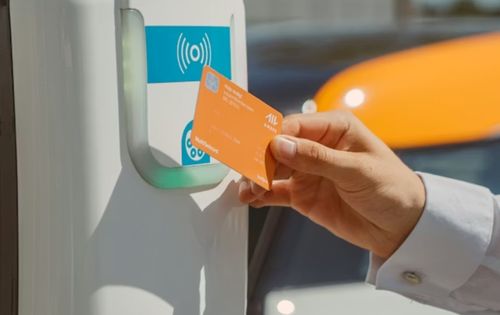
PlugShare is more than a map — it’s a practical tool for planning stops and avoiding frustration. Here’s a quick guide to getting the most out of it.
1. Start With the PlugShare Map (Find Chargers Near You)
- Explore the Map: Browse stations and check recent activity, photos, and notes.
- Visual Insights: Quickly see which stations are likely working before you drive there.
2. Create Your Filters
- Customize Your Search: Filter by connector, speed, pricing, and network.
- Hide “Coming Soon”: Reduce clutter by hiding stations not yet live.
3. Plan Your Charging Stops (Including “On My Route”)
- Organize Your Route: Identify reliable backup stops in case a site is busy or down.
- Efficiency Tip: For road trips, charging is often fastest up to ~80% before slowing down.
- Sanity Check: Prioritize stations with recent check-ins and multiple stalls when possible.
Level 3 (DC Fast) Chargers Near Me: How To Find Them
If you searched for a “type 3 electric car charger,” you’re usually looking for Level 3, also called DC fast charging. In most apps, selecting the DC fast filter turns the map into a practical level 3 charger map for your area.
- In PlugShare: Filter by DC Fast (and your connector type), then prioritize stations with recent check-ins.
- In ChargePoint: Filter for DC fast and confirm pricing/status inside the listing before you drive there.
- In Electrify America: Use the in-app map to find fast chargers, then double-check stall availability when possible.
Pro tip: For fast charging, reliability matters more than distance. If a station has no recent activity, pick a backup nearby.

Download the EV Home Charging Guide
Charging at home typically costs less than public charging. Public charging costs vary widely.
Maximize your EV charging efficiency at home with our nonprofit's free guide!
This free resource provides valuable information on:
- Choosing the Right Home Charger: Understand charger types and pick what fits your needs.
- Installation Tips: Learn common installation requirements and best practices.
- Cost-Saving Strategies: Reduce home charging costs and optimize energy use.
Download the Ultimate EV Home Charging Cheat Sheet by entering your email below and receive monthly news and inspiration from our award-winning nonprofit.
How to Find Tesla Charging Options
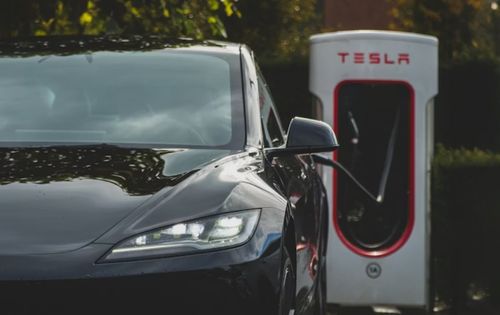
Tesla drivers can rely on the Supercharger network, and select Superchargers are also open to some non-Tesla EVs (availability depends on location and vehicle compatibility).
- Onboard Navigation: Use Tesla navigation to route through Superchargers.
- Seamless Billing: Tesla Supercharging typically bills automatically through your Tesla account.
- Check Compatibility: If you’re driving a non-Tesla EV, confirm access rules and connector requirements before heading to a Supercharger.
Free Charging: Quick Overview (Full Guide Linked)
Did you know that many public EV chargers are completely free to use? From your local shopping mall to your workplace or even right around the corner from home, free charging spots might be closer than you think. Kick off your search with PlugShare’s map of free EV stations.
Looking for even more ways to fuel up without spending a dime? Dive into our handy guide to finding free electric car charging stations near you and start planning your next charge today!

Looking To Save Money On An EV in 2026?
Our nonprofit has collected some of the best resources on purchasing or leasing an EV and put them into an easy-to-use cheat sheet.
It’s a must-read for people considering an EV.
Simply enter your email to access the free cheat sheet and receive monthly news and inspiration from our nonprofit.
 Conclusion
Finding and utilizing EV charging stations has never been easier, thanks to advanced apps like PlugShare, ChargePoint, and Electrify America. By leveraging these tools and implementing strategic charging tips, you can enjoy a seamless and sustainable driving experience.
We hope this guide helps you find EV stations where you need them. Our mission is to reduce gasoline use and promote cleaner, healthier transportation options for everyone.
Looking for An EV Charging-Time Breakdown?
Public charging time can range from a quick DC fast-charging stop to several hours on Level 2. For real-world examples, charging-level comparisons, and a simple formula for estimating your time, read: How Long Does It Take To Charge An Electric Car?
How to Find EV Charging Stations FAQ
What are the best EV charging apps in 2026?
The top three apps in this guide are PlugShare, ChargePoint, and Electrify America. Together, they help you find stations, check details, and plan trips more easily.
How do I find EV charging stations near me?
Start with the PlugShare map, then filter by your connector type and charging speed. Prioritize stations with recent check-ins to reduce the odds of arriving to a broken charger.
How do I find a Level 3 (DC fast) charger near me?
In PlugShare, ChargePoint, or Electrify America, filter for DC fast (Level 3). Then choose stations with recent activity and multiple stalls when possible.
What is PlugShare, and why do people use the PlugShare map?
PlugShare is a charging station map powered by drivers. People use it because check-ins, photos, and notes often reveal real-world reliability — which can matter more than the listing itself.
PlugShare vs ChargePoint: Which should I use?
Use PlugShare for the broadest view and reliability signals, and use ChargePoint to confirm network-specific details and activation for ChargePoint stations. Many drivers use both.
Is there one app for all EV charging stations?
Not perfectly. PlugShare is one of the closest “all-in-one” maps, but network apps (like ChargePoint or Electrify America) are often best for confirming pricing, activation, and session rules.
Are EV charging stations free?
Sometimes. Some stations offer free electricity, but rules vary by location (time limits, parking fees, or access restrictions). If you’re specifically looking for free options, see our dedicated guide: How To Find Free EV Charging.
Can I use Tesla Supercharger stations?
Tesla drivers can use Superchargers through the car’s navigation and Tesla account billing. Select Superchargers are also open to some non-Tesla EVs depending on location and compatibility. Learn more: tesla.com/supercharger and Supercharging for other EVs.
What is the difference between Level 2 and Level 3 EV chargers?
- Level 2: Often adds around ~25 miles of range per hour, good for longer stops.
- DC Fast (Level 3): Can often reach ~80% in about ~30 minutes, depending on your vehicle and the station.
What connector types should I filter for?
For Level 2, many non-Tesla EVs use J1772 and many newer vehicles support NACS (SAE J3400). For DC fast, you’ll commonly see CCS and NACS (with a shrinking number of CHAdeMO plugs). Use app filters to match your car.
How do I find EV charging stations on my route?
Use your charging app to plan stops ahead of time, and choose backup stations near each stop in case a location is busy or offline. For road trips, DC fast filters are usually the quickest way to narrow the map.
Haven't switched to an EV yet?
Imagine never having to visit a gas station again, or needing an oil change again or worrying about unpredictable gas prices. With an electric vehicle, this could be your reality—while potentially saving thousands of dollars a year.
Curious how much you could save switching to an EV? Get a quick estimate of your savings below!
*Disclaimer: This tool is only intended to provide an estimate of potential savings. Actual results will vary. Learn more about the calculation and the Electric vs Gas Calculator here.

Join Us
Switching gas cars to EVs offers hidden health benefits by reducing harmful emissions. That can mean fewer risks of asthma, heart and lung diseases, and other vehicle-emissions-related health problems — especially for families living near busy roads.
Imagine cleaner air for your children to breathe, a quieter neighborhood, and fewer trips to the mechanic. EVs aren’t just about saving money — they’re about creating a better future.
Help Build a Healthier Tomorrow
Join thousands of others making the switch to cleaner transportation! Sign up for our nonprofit’s Beyond Gasoline newsletter to stay up to date on the growing movement.
